
field guideYour Definitive Guide to Becoming King of the Jungle.
Welcome to the wilds of Human Resources, where every decision impacts culture, every policy shapes performance, and every relationship matters. If you’re a leader trying to understand the terrain, this field guide offers a practical map to the major regions of the HR landscape. Lace up your boots—here’s what you need to know.


it’s wild out there

Subscribe to the Field Guide
Subscribe to the Field Guide
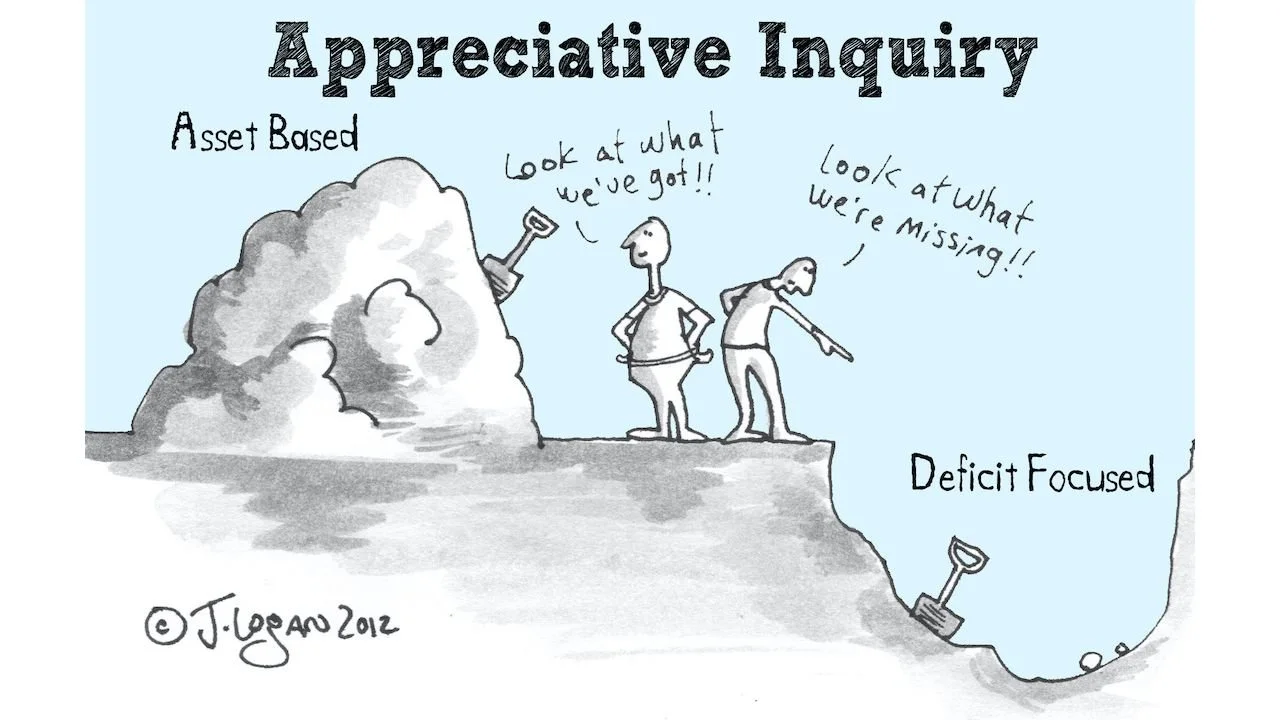
Is your culture survey enhancing your workplace culture or merely measuring it?
Weaving the empirically validated Appreciative Inquiry into your culture survey becomes culture strategy. Build on the bright spots.
When you picture a thriving workplace culture, what comes to mind?
Positive. Resilient. Creative. Open. Engaged.
Now ask yourself: what are you actually measuring?
Most culture surveys focus on identifying “opportunities for improvement” - often assessing psychological safety, burnout, communication, role clarity, and values alignment. While this feedback is valuable, it can unintentionally train both leaders and teams to scan for what’s broken.
Research in cognitive psychology shows humans already have a natural negativity bias: we tend to notice problems more easily than strengths. If we only look for dysfunction, we will almost always find it.
As Henry Ford once said, “Whether you think you can or can’t, you are right.”
But what if culture surveys also explored what gives organizations life? Strength draws from strength.
This is the foundation of Appreciative Inquiry, developed by David Cooperrider: a strengths-based approach that focuses on identifying and amplifying what works well. @SuzanneQuinney describes it as a whole person experience: “paying attention [using the mind] to what has value [using the heart].”
This is a paradigm shift that changes the conversation:
➡️ From “What do we need to fix?”
➡️ To “How can we build upon what's working for us?”
A well-crafted culture survey can do more than diagnose challenges. It can reinforce strengths, uncover sources of resilience, and generate momentum for new growth.
Research has linked Appreciative Inquiry approaches to increased engagement, morale, collaboration, and productivity - meaning engaging with it improves the employee experience.
The question isn’t whether you should measure culture....It’s whether your measurement process is actively shaping the culture you want to create.
What would change if your survey became a tool for building culture: not just auditing it? Let’s get our rose-tinted binoculars.
Artwork shared with permission from the creator, Jeffrey Logan, PhD